Generative AI Powered Retail Fashion AI Agent Solution
Omni-Channel AI Agents – Deploy on Chat, Voice, Email, Instagram, Facebook, WhatsApp and Even SMSCheck out Demo












Check out the Enterprise Grade AI Agent Powered by Gen AI. No Setup Fees.
Elevating Fashion Retail: The Impact of AI-Powered Customer Service chatbots

Channels of Convenience: Anytime, Anywhere
 Facebook Messenger
Facebook Messenger provides a popular platform for customer interaction. With the Bot deployed on Messenger, customers can seamlessly inquire about discounts, sizing, and more directly from their Facebook accounts.
 Web Application
The Web Application offers a user-friendly interface accessible through any web browser. Customers can browse through the company’s website, interact with the Bot, and make inquiries or purchases conveniently from their desktop or mobile devices.
 Mobile Application
The Mobile Application provides on-the-go access to the fashion retailer’s products and services. Customers can engage with the Bot through the mobile app, view their shopping carts, and complete transactions effortlessly from their smartphones.
 SMS
SMSSMS integration allows customers to interact with the Bot via text messages. This channel is particularly useful for quick inquiries or updates, such as tracking order statuses or receiving delivery notifications, without requiring an internet connection.
 WhatsApp
WhatsApp integration enables customers to communicate with the Bot using the popular messaging platform. With WhatsApp’s widespread usage, customers can conveniently inquire about products, register complaints, or seek assistance directly through the app.
 Voice Support
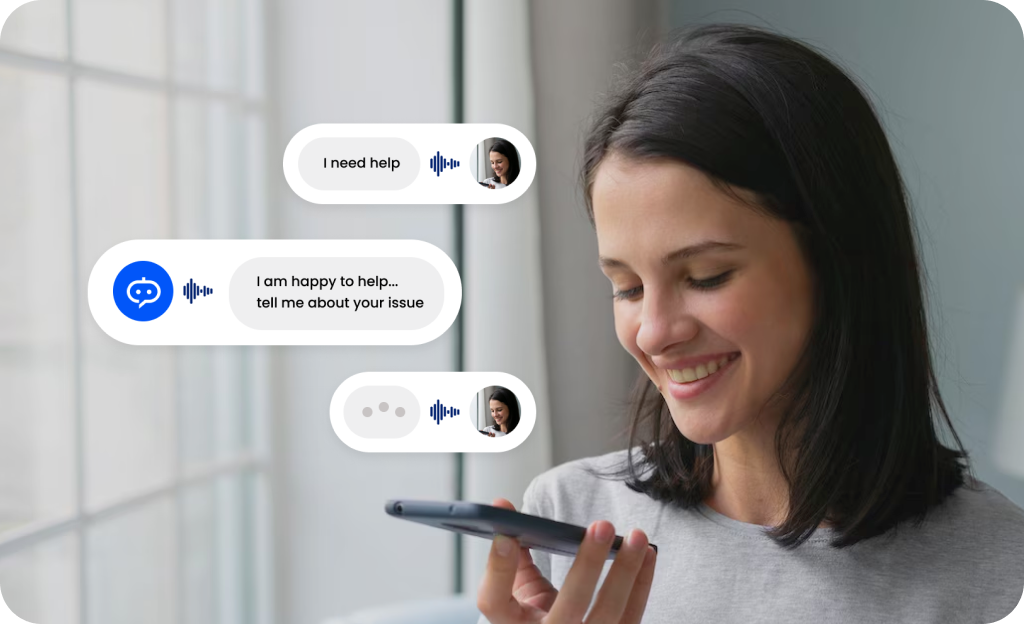
Voice support enables customers to interact with the Bot using voice commands and receive spoken responses. This channel offers enhanced accessibility for customers who prefer verbal communication, allowing them to engage with the Bot effectively through natural language interactions.
Key Features of AI-Powered chatbot Solution for Fashion Retail
 Omni-channel Solution
The Bot operates seamlessly across multiple channels, providing a consistent and cohesive customer experience regardless of the platform.
 User-based Login Authorization
Secure access to personalized features and information, allowing customers to view their order history, track deliveries, and manage account details securely.
 Email Integration
Send order confirmations, shipping notifications, and other important communications directly to customers’ email addresses, ensuring timely updates.
 Multilingual Support
Converse with customers in multiple languages, catering to diverse linguistic preferences and enhancing accessibility for a global audience.
 Speech to Text/Text to Speech
Interact with the Bot using voice commands or receive spoken responses, offering added convenience, especially for customers with visual impairments.
 Digression Handling
Seamlessly redirect conversations back to the original context after addressing digressions.
 Dynamic PDF Generation
Create customized documents, such as order summaries or invoices, on-the-fly based on user requests.
 OTP Service Integration
Enhanced security for transactions through one-time passwords sent via SMS or email.
 Entity Recognition
Identify and extract relevant information from user inputs, streamlining transactional processes and enhancing user experience.
Customer Journey: Real-World Impact in Action
Let’s follow Alice, a fashion-forward customer, on her journey of shopping with an AI-powered chatbot. Scenario: FB Messenger Bot



 Scenario: Web Application





 Scenario: Mobile App





 Scenario: SMS


 Scenario: Return Assistance
  Hello, I need assistance with initiating a return for an item I purchased last week.
 Sure, my order number is 123456. I’d like to return the floral dress I ordered, as it doesn’t fit me correctly. No, that’s all. Thank you for your help.
Business Benefits of AI-Powered chatbots in Retail Fashion
 Enhanced Customer Engagement
According to a study by Accenture, 72% of consumers expect brands to understand their individual needs and preferences. AI-powered chatbots enable fashion retailers to deliver personalized experiences by offering tailored product recommendations, addressing specific inquiries, and providing real-time assistance throughout the customer journey.
 Cost Reduction
Research from Gartner indicates that retail businesses can achieve up to a 35% reduction in customer service costs by implementing AI-powered chatbots. These chatbots automate routine tasks such as answering FAQs, processing orders, and handling returns, allowing retailers to optimize operational efficiency and allocate resources more effectively.
 Increased Revenue Generation
A report by Juniper Research forecasts that AI-powered chatbots will contribute to over $112 billion in retail sales by 2025. By offering personalized recommendations, guiding purchase decisions, and facilitating transactions, chatbots drive higher conversion rates and average order values, thereby boosting overall revenue for fashion retailers.
 Operational Efficiency and Scalability
According to McKinsey, AI-powered automation technologies have the potential to increase productivity by up to 40%. chatbots streamline customer service operations by handling multiple inquiries simultaneously, operating 24/7, and scaling seamlessly to accommodate fluctuations in customer demand, enhancing operational efficiency and scalability for fashion retailers.
 Actionable Insights and Data Analytics
Data from Forrester reveals that 61% of businesses prioritize AI-driven analytics to gain actionable insights into customer behavior. AI-powered chatbots analyze customer interactions and purchase patterns, providing valuable data that retailers can leverage to optimize product offerings, marketing strategies, and customer engagement initiatives.
 Brand Reputation and Customer Satisfaction
A survey by Deloitte found that 76% of consumers consider customer service a reflection of how much a brand values them. By delivering timely and personalized assistance, resolving inquiries promptly, and offering seamless transactional experiences, chatbots build trust and loyalty among customers, enhancing brand reputation and fostering positive word-of-mouth recommendations.
Conclusion
Want to Know- How This Will Work for Your Business?
 Visit our Enterprise-Grade Bot Store.
 Learn what it can do for your business by scheduling a demo
session.
Learn what it can do for your business by scheduling a demo
session. Try it yourself with a Free 30-day trial.
Don’t let this chance slip by! Get in touch with us today to begin your journey towards unparalleled business management, risk-free!

Frequently Asked Questions – (FAQs)
What is a Retail Fashion AI Agent?

A Retail Fashion AI Agent is an AI-powered assistant designed for fashion brands and retailers. It helps customers discover products, receive personalized styling advice, check availability, and complete purchases through conversational interaction.
How does it personalize recommendations?
It uses customer data such as browsing behavior, purchase history, size preferences, and contextual inputs (occasion, budget, season) to deliver accurate and relevant product suggestions.
Can it provide size and fit guidance?
Yes. It analyzes size charts, brand-specific measurements, and customer purchase patterns to recommend the most suitable size and reduce returns.
Does it integrate with existing eCommerce systems?
Yes. It connects securely with product catalogs, inventory systems, CRM, OMS, and payment gateways through APIs.
Can it increase average order value (AOV)?
Yes. By recommending complete outfits, complementary products, and premium alternatives, it encourages higher basket sizes.
Does it support omnichannel retail?
Yes. It works across websites, mobile apps, messaging platforms.
Is customer data secure?
Yes. Enterprise-grade encryption, authentication, and compliance standards (GDPR/CCPA) protect customer information.
Can it manage returns and exchanges?
Yes. It can automate return requests, exchange processing, and order tracking.
Will it replace human stylists?
No. It supports and augments human teams by handling routine queries.
How quickly can it be deployed?
Deployment timelines depend on system readiness but typically range from a few weeks to a few months.